
Compare Local Contractors for Wood Siding Replacement Projects
Compare local contractors to define project scope, verify experience, and set clear expectations for your wood siding replacement.
Wood siding replacement projects typically involve removing existing wood siding and installing new materials to improve the appearance and protection of a property’s exterior. This work can include repairing or replacing damaged or rotted siding, ensuring proper sealing and weatherproofing, and sometimes updating the style or profile of the siding to match current trends or architectural preferences. Contractors often handle tasks such as surface preparation, material selection, and finishing touches to ensure the new siding enhances both the look and durability of the building.
Clearly defining the scope of a wood siding replacement project is crucial for setting expectations and ensuring all aspects of the work are addressed. A detailed scope outlines what materials will be used, the extent of repairs needed, and any additional services such as surface preparation or finishing. Having this in writing helps property owners and contractors align on project goals, reduces misunderstandings, and provides a basis for evaluating proposals. It also helps property owners ensure that the work performed meets their specific needs and prevents surprises once the project is underway.
When comparing local contractors for wood siding replacement, property owners should evaluate their experience with similar projects and ask for examples of completed work. It’s helpful to verify how each contractor approaches project scope and whether they provide detailed proposals or estimates. Comparing the level of communication, clarity in scope, and professionalism can assist in making an informed decision. Additionally, seeking recommendations or checking references can provide insights into a contractor’s reliability and quality of work, allowing property owners to choose service providers who are well-suited to handle their siding replacement needs efficiently and effectively.
Compare local contractors by outlining project priorities, verifying experience, and setting clear expectations in writing.
- Compare Contractor Experience - Review the background and project history of local contractors to ensure they have relevant experience with wood siding replacement.
- Define Project Scope Clearly - Outline the specific work needed and expectations to avoid misunderstandings during the project.
- Verify Credentials and References - Check references and verify the reputation of local service providers before hiring.
- Document Agreements in Writing - Ensure all project details, scope, and expectations are confirmed through written agreements.
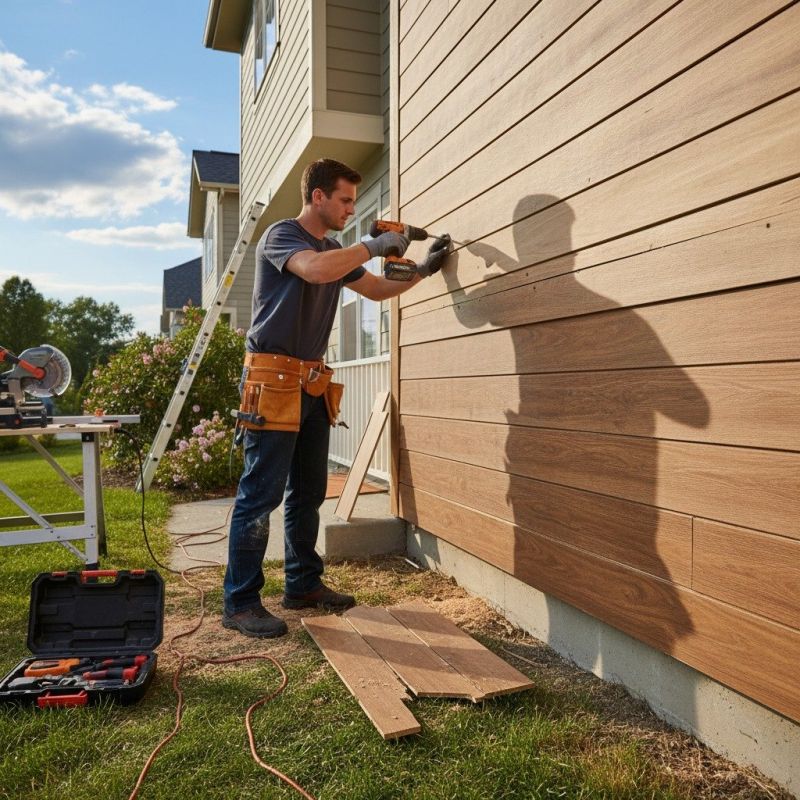
Clearly describe your wood siding replacement project to effectively compare options, verify experience, and set expectations with local service providers.
- Verify the contractor’s experience with wood siding replacement projects similar in scope and style. - Ensure the service provider can clearly define the scope of work and materials to be used.
- Compare multiple contractors to assess their recommended approaches and project plans. - Look for detailed written proposals that outline the work to be performed.
- Check references or reviews to gauge the quality and reliability of the contractor’s previous work. - Confirm that the contractor has a history of completing projects to professional standards.
- Discuss and document project expectations, including cleanup, protection of surrounding areas, and finish details. - Make sure all project specifics are agreed upon and put in writing.
- Assess the contractor’s knowledge of proper installation techniques and material compatibility for wood siding. - Ensure the service provider can explain their process and materials used.
- Evaluate the contractor’s communication style and responsiveness to ensure clarity and transparency throughout the project. - Choose a professional who provides thorough and prompt information during initial discussions.
Use this to compare contractors, clarify scope, verify experience, and set clear project expectations.
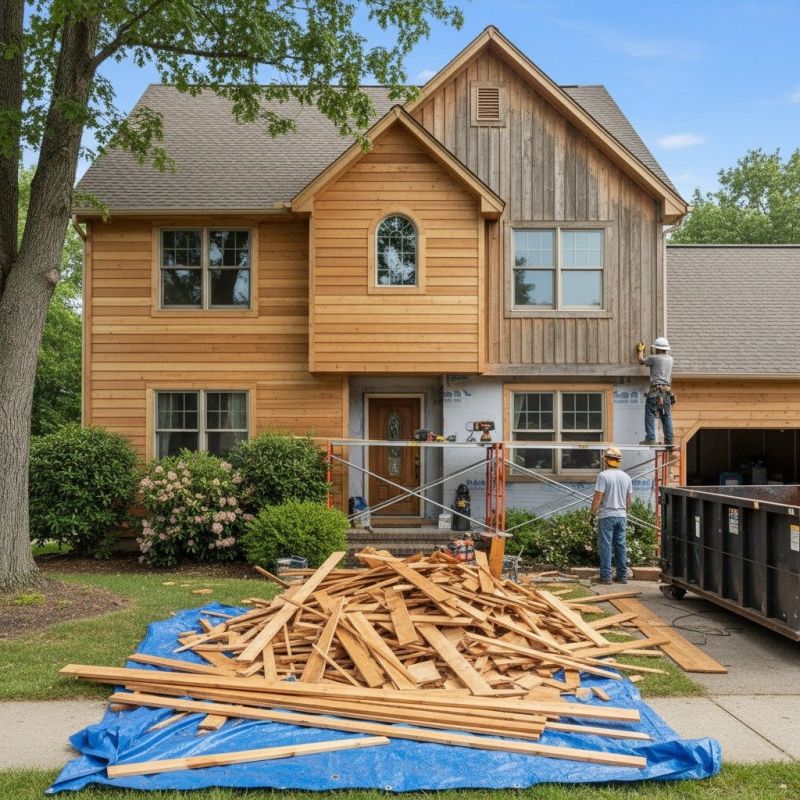
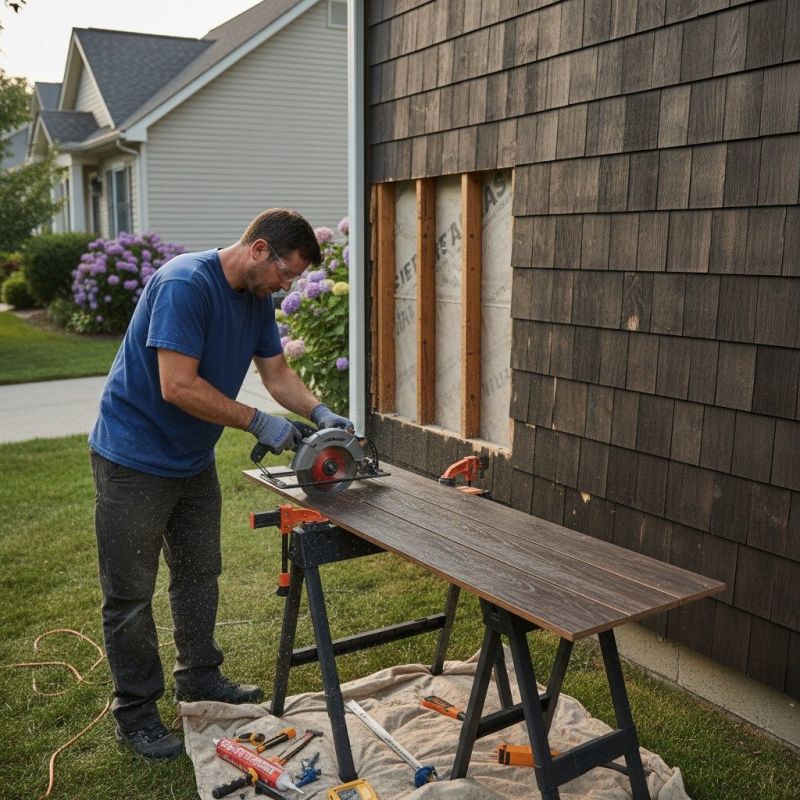
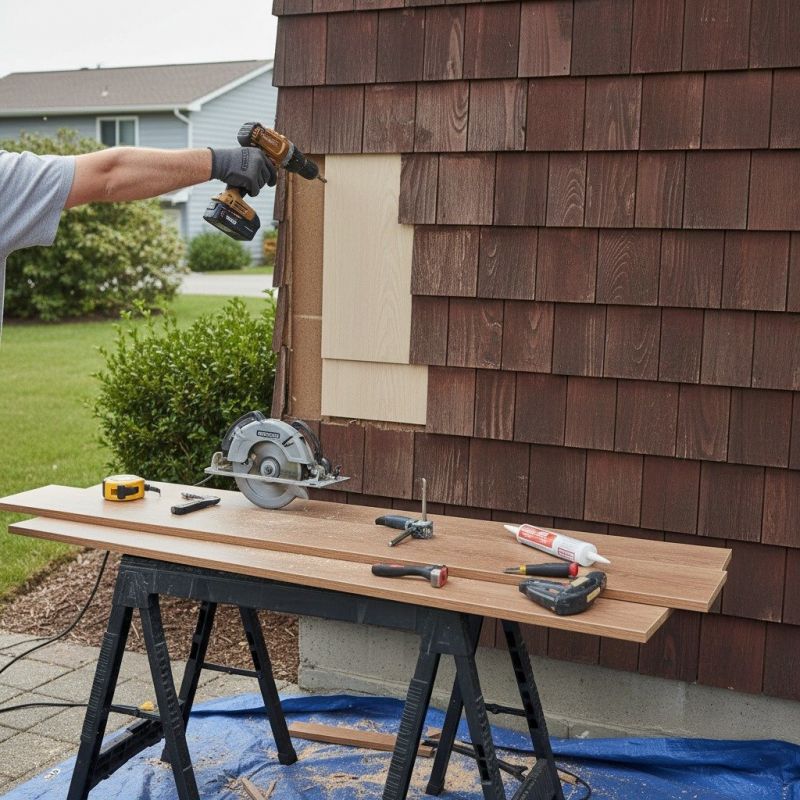
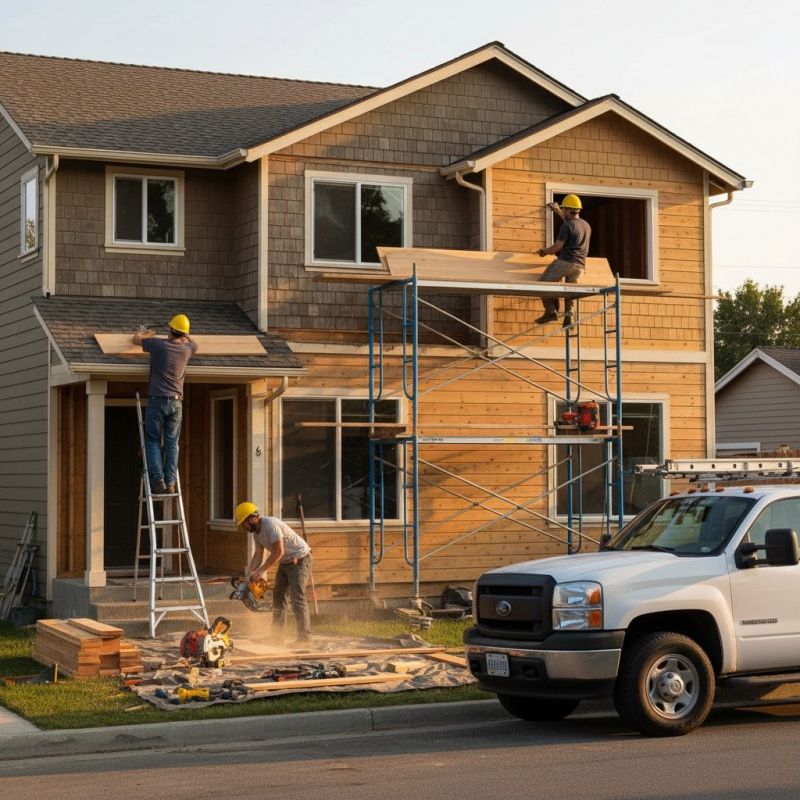
This section helps you compare local contractors for wood siding replacement by clarifying scope, experience, and written expectations.
- Project Scope Definition - Clearly outline the specific areas and extent of wood siding replacement required.
- Material Selection - Specify the type, style, and quality of wood siding to be used for the project.
- Experience and Expertise - Verify that local contractors have relevant experience with wood siding installation and replacement.
- Work Specifications - Document detailed work procedures, including removal, preparation, and installation processes.
- Written Agreement - Ensure all project details, expectations, and responsibilities are documented in a formal scope agreement.
When comparing contractors for wood siding replacement, it’s important to evaluate their experience with similar projects. Service providers who have completed a range of siding replacements, especially those involving the same materials and architectural styles, are more likely to understand the specific challenges involved. Asking about their previous work can provide insight into their familiarity with different types of wood siding, weather considerations, and installation techniques. A contractor’s track record with similar projects can help ensure they have the practical knowledge necessary to deliver quality results.
A clear, written scope of work is essential when assessing different contractors. This document should outline the specific tasks involved in the wood siding replacement, including preparation, removal of existing siding, installation methods, and finishing details. A detailed scope helps prevent misunderstandings and ensures that both parties have aligned expectations. When reviewing proposals, look for contractors who provide comprehensive descriptions of the work to be performed, and avoid those who offer vague or overly general statements that could lead to discrepancies later on.
Verification basics involve confirming a contractor’s background and reputation through straightforward methods. It’s useful to ask for references or examples of past projects similar to the one at hand. Additionally, checking reviews or testimonials can offer insights into their reliability and quality of work. Clarifying their process for handling unexpected issues or changes during the project can also provide confidence in their professionalism. These basic verification steps help identify service providers with a history of satisfactory work and transparent communication.
Evaluating options without focusing on prices involves examining the quality of the proposed work, the clarity of the scope, and the contractor’s experience. Consider how well each service provider understands your project’s requirements and whether their approach aligns with your expectations. Comparing the level of detail in their proposals, their communication style, and their ability to answer questions can reveal which contractors are best suited for your needs. Focusing on these factors helps ensure that the chosen professional can deliver a successful wood siding replacement, based on expertise and a clear plan, rather than cost alone.
Ask contractors to provide written scope details to ensure clear expectations and consistent project understanding.
- **Experience and Credentials** - What relevant experience do the local contractors have with wood siding replacement projects?
- **Scope of Work** - How do the contractors define and clarify the scope of the siding replacement to ensure all aspects are covered?
- **Materials and Techniques** - What types of wood siding materials and installation methods do the service providers recommend and specialize in?
- **Project Expectations** - How do the contractors outline the project process and deliverables in writing to set clear expectations?
- **Comparison of Services** - What criteria do the local contractors use to differentiate their services and approach to wood siding replacement?
What should I consider when comparing contractors for wood siding replacement? It's important to review their experience with similar projects, verify references or reviews, and ensure they provide clear scope definitions and written estimates to set proper expectations.
How can I define the scope of a wood siding replacement project? Clearly outline the extent of work needed, including the type of siding, areas to be replaced, and any additional repairs, then communicate these details to potential contractors for accurate proposals.
What questions should I ask contractors about their experience? Inquire about their previous projects involving wood siding, request examples or references, and confirm their familiarity with the specific siding materials and installation techniques required.
Why is it important to get written estimates and scope agreements? Written documentation helps ensure all parties agree on the work to be performed, prevents misunderstandings, and provides a reference point throughout the project.
How can I verify the reliability of local contractors for wood siding replacement? Seek references or reviews, ask about their project history, and consider their reputation within the community to gauge their experience and professionalism.
What should I expect in a written contract with a contractor? A comprehensive contract should detail the scope of work, materials to be used, project timeline, payment terms, and any warranties or guarantees associated with the work.
Visitors now have a clearer understanding of how to find qualified contractors for wood siding replacement, including the importance of defining the scope of work, verifying experience, and ensuring all details are outlined in writing. By comparing local service providers, they can better evaluate options and make informed decisions aligned with their project needs.
Encouraged to take the next step, visitors can use the quote form to explore and compare local contractors who specialize in wood siding replacement. This process helps identify professionals equipped to handle the job, empowering them to choose the right partner for their project.